Single-tooth implant consultation
Replace a missing tooth with a next step that feels premium, clear, and worth saying yes to.
If you are missing a tooth or dealing with a failing tooth, the first step is a focused consultation. Candidacy, records, timing, and next-step planning are reviewed after the exam and doctor review.
- Single-tooth implant focus instead of mixed restorative clutter
- Clear planning language without overpromising online
- One obvious consultation-first conversion path
Single-tooth focus
Restorative clarity
Consultation-first
Planning and records
Some cases may need records or CBCT review before final planning. Final fit, sequence, and next-step recommendations depend on evaluation.
Clear restorative language, honest candidacy framing, and one obvious next step.
Higher-value treatment decisions feel easier when the next step is clear and the planning process is explained honestly.
What makes this first step different
Lead with decision clarity, restorative confidence, and trust.
Someone searching for a dental implant is usually not asking for more website words. They are asking whether the office feels credible, modern, and organized enough to trust with a high-value restorative decision.
This page stays focused on the patient’s real question: what is my next step if I want this tooth replaced well?
Single-tooth focus
This consultation stays focused on a missing or failing tooth so the office can review the right next step without unnecessary detours.
Honest planning language
Candidacy, records, timing, and sequencing are part of the consultation and planning process rather than something decided by the website alone.
Clear planning path
Use the consultation to review fit, records, sequencing, and the best next step.
Planning technology
Records and imaging matter because implant decisions should feel organized, not improvised.
When records or CBCT review are needed, the consultation helps the office move from interest into a more informed planning process before final treatment decisions are made.
What to expect at your consultation
Keep the experience simple. Put the case detail into the consultation.
Review the missing-tooth situation
Start with the specific tooth, how long it has been missing or failing, and what the patient wants restored.
Discuss fit and planning
Use the consult to explain whether an implant path may make sense and whether records or CBCT review are needed.
Set the next step
Move into treatment planning, sequencing, timing, and the best next step after doctor review.
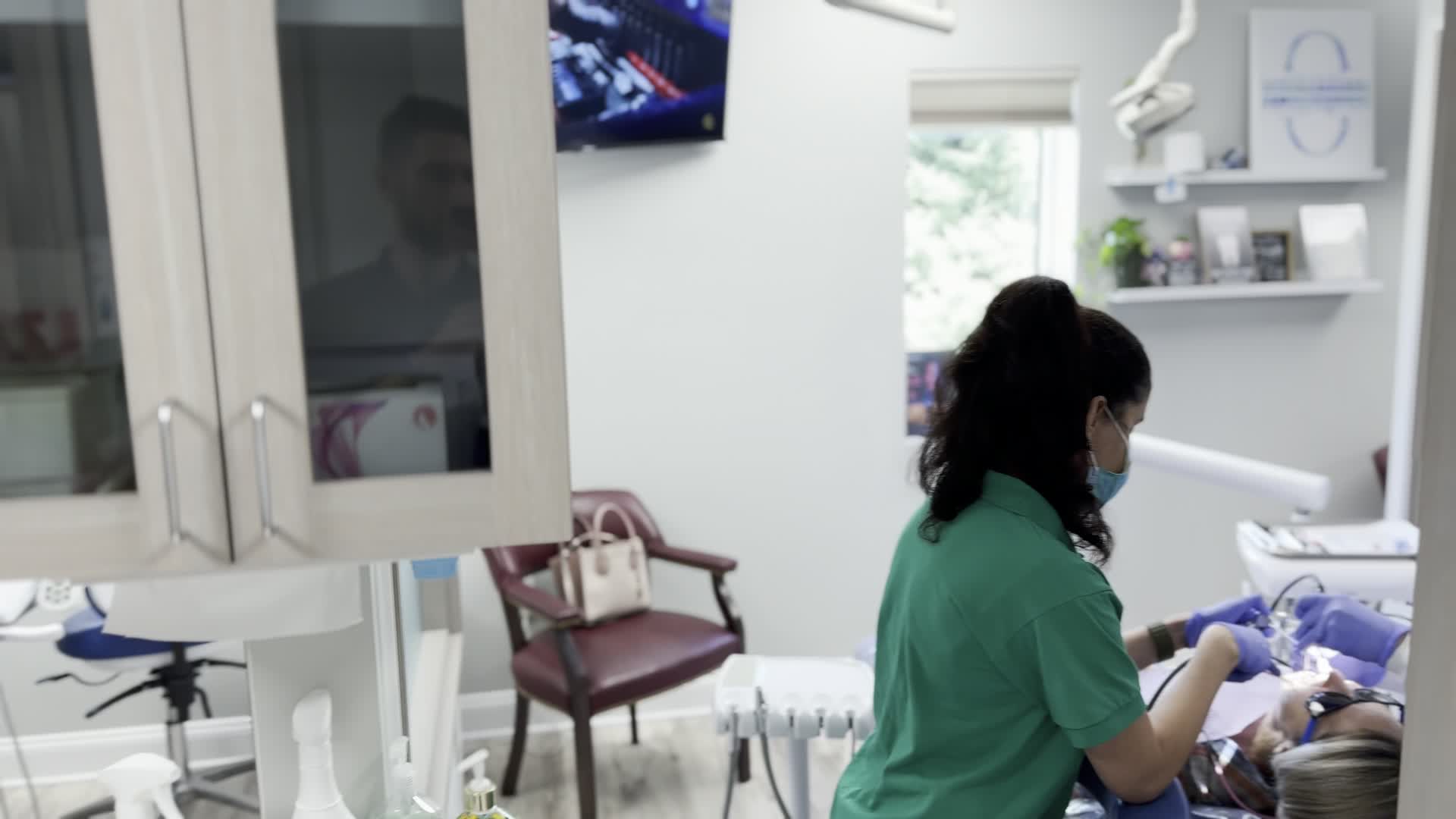
Office environment
Less clutter. More space to make the office feel calm and credible.
Higher-value dentistry benefits from a page that feels intentional, well-organized, and easier to trust before the patient even calls.


FAQ
Enough clarity to build trust before the call.
No. That should only be determined after evaluation and any needed planning records.
Some cases may need advanced imaging for planning. If it is clinically needed, the office will review that during the consultation process.
If records show an implant is not the right fit, the office can explain the findings and review the best next step according to policy.
No. The website helps you request the consultation and planning step; the details are determined after evaluation.
What happens after you submit
Know the next step before the office ever calls.
The goal is not just to create interest. It is to turn interest into a clean, owned lead with a clear next step.
The team reviews your request
Your service interest, timing, and preferred contact method are reviewed before outreach.
The office contacts you directly
The team answers first questions, confirms the right consult type, and helps schedule the next step manually.
Planning starts after evaluation
Records, CBCT review, candidacy, timing, and final fees are handled after the office has reviewed the case.
A multi-doctor team, a more established office feel, and a calmer first visit help higher-value decisions feel safer.
Solea laser, the in-house Midas 3D crown printer, and planning technology help support a more modern restorative experience.
The consultation helps the office review the tooth, the bigger picture, whether records are needed, and what the likely next step looks like.
If you already talked with the office before, use the same form or call and ask for a follow-up implant review or updated treatment-plan conversation.
Ready for the next step?
Start with the implant consultation that fits your situation.
If you are replacing a missing tooth or dealing with a failing tooth, request a consultation and let the office guide records, planning, and the next step after review.